A wedding
A known cost, a flexible date.
A wedding is one of the few large family expenses where the amount is broadly predictable but the timing has some give. That flexibility is genuinely useful: a goal that can shift by a year without consequence tolerates a different approach from one that cannot move at all.
Try the numbers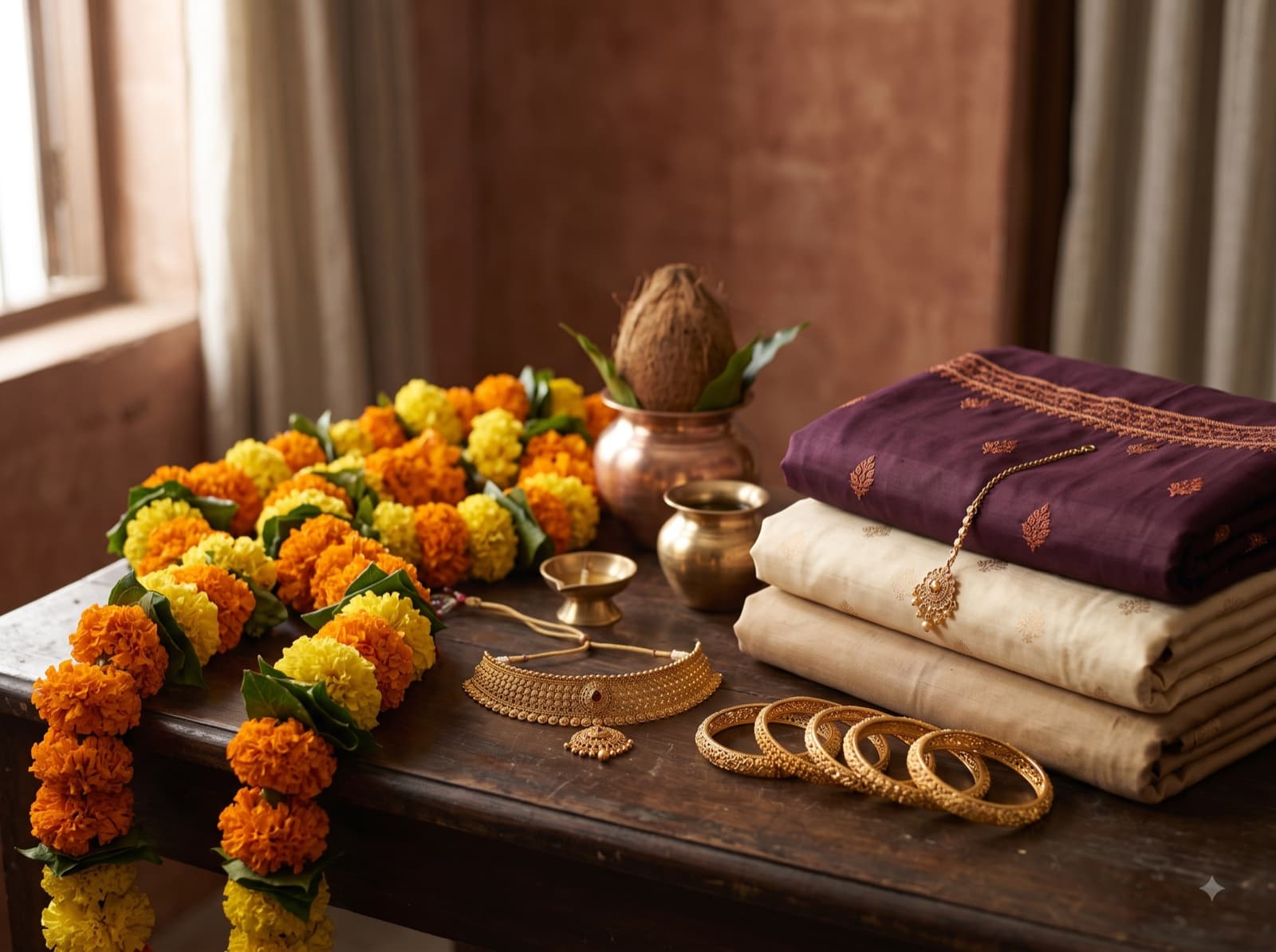
What changes the plan
Things worth deciding before the first instalment
Some timing flexibility changes the calculus
Because the date can often move by six to twelve months, a poor market year is less damaging here than for an education goal. That flexibility is worth something and should be reflected in how the money is held.
Gold often sits alongside the cash cost
Many families plan for jewellery as well as event expenses. Gold's price behaviour differs from equity, and whether to hold it physically or through other routes is a decision with real cost and tax differences.
Costs tend to expand to fit the budget
Wedding budgets are notoriously elastic. Agreeing a target figure early, and revisiting it deliberately rather than incrementally, prevents the number drifting upward unnoticed.
A wedding
Start from a monthly number
Move the sliders to match your plan. Nothing here is saved or sent until you choose to.
FAQ
Questions about a wedding
It varies widely by family. The useful question is less 'how many years' and more 'how firm is the date' — because a flexible date and a fixed date call for different approaches.
If jewellery is part of the expected cost, planning for it explicitly is more reliable than treating it as an afterthought. The form it takes has cost, storage and tax implications worth discussing.
Other milestones
Contact
Talk through a wedding
Bring the number you have in mind and the date you want it by. The first conversation is free, and nothing gets recommended in it.
Book a free consultation- Call or WhatsApp
- +91 99220 08342
- Hours
- Mon–Sat, 10am–7pm